.png)
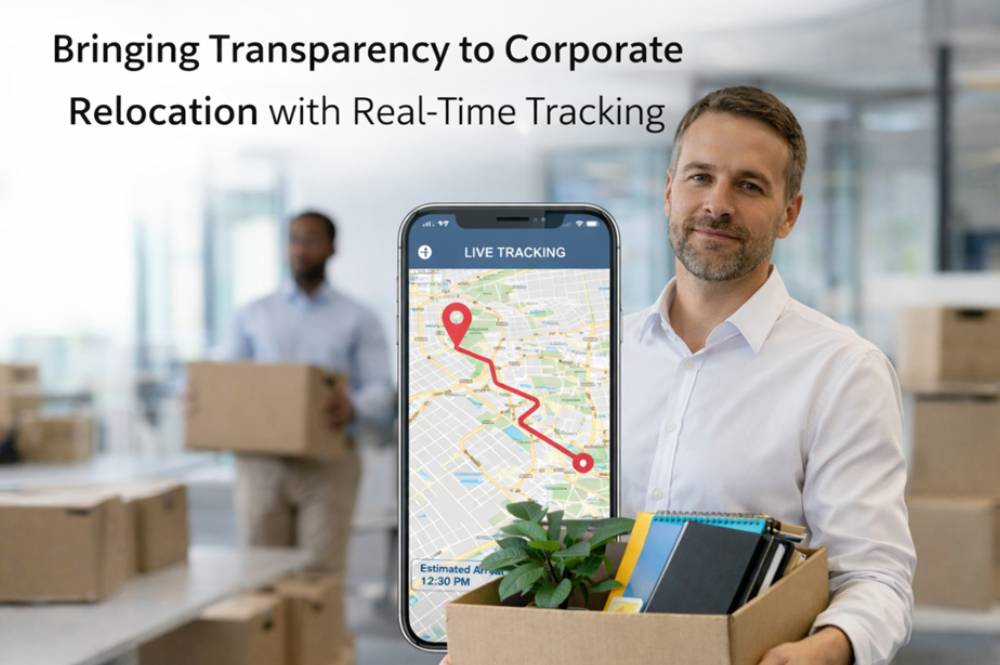
Bringing Transparency to Corporate Relocation with Real-Time Tracking
Relocation has traditionally been one of the most opaque business processes. Whether it’s employee transfers, corporate relocations, or large-scale move management, stakeholders often operate with limited visibility. Employees feel anxious, HR teams struggle with coordination, and relocation partners rely heavily on manual updates. This lack of clarity can damage trust and slow down the entire relocation process.
Today, that reality is changing. Real-time relocation tracking is transforming how organizations manage moves by replacing guesswork with transparency. Through digital relocation dashboards, automated updates, and centralised communication, companies can now offer full visibility into every stage of the relocation journey.
This shift from opacity to transparency is not just a technological upgrade—it is a trust-building mechanism that improves efficiency, accountability, and employee experience.
The Problem with Traditional Relocation Models
In conventional relocation models, information flows slowly and inconsistently. Updates are shared via emails, spreadsheets, or phone calls, often leading to delays and miscommunication. Employees are unsure about shipment status, housing timelines, or compliance milestones. HR teams spend valuable time responding to queries instead of focusing on strategic workforce planning.
This lack of relocation process transparency creates multiple challenges:
- Uncertainty for relocating employees
- Poor corporate relocation visibility for HR and leadership
- Limited move management visibility across vendors
- Reactive rather than proactive issue resolution
Without real-time data, stakeholders are forced to rely on assumptions instead of facts.
What Is Real-Time Relocation Tracking?
Real-time relocation tracking refers to the use of digital platforms that provide live updates on every stage of the relocation process. These platforms integrate data from movers, housing providers, immigration consultants, and internal HR systems to present a single, unified view.
At the core of this system is a digital relocation dashboard that displays:
- Current relocation status
- Shipment and logistics tracking
- Documentation and compliance milestones
- Housing and settling-in progress
- Pending actions for employees and vendors
This approach enables continuous employee relocation updates without the need for manual follow-ups.
How Transparency Builds Trust in Relocation
1. Employee Confidence and Reduced Anxiety
Relocation is a major life change. When employees can track their move in real time, they feel informed and in control. Clear timelines and visible progress reduce stress and improve overall satisfaction.
2. Improved Corporate Relocation Visibility
HR teams and mobility managers gain complete oversight of multiple relocations simultaneously. This corporate relocation visibility allows for better planning, faster decision-making, and fewer escalations.
3. Accountability Across Stakeholders
When every task and update is visible, accountability increases. Vendors, internal teams, and relocation partners are aligned through shared data, improving relocation stakeholder communication.
The Role of Digital Relocation Dashboards
A digital relocation dashboard acts as the central nervous system of the relocation process. Instead of scattered information, all stakeholders access the same real-time data from a single platform.
Key benefits include:
- Centralized move management visibility
- Automated alerts and employee relocation updates
- Reduced dependency on emails and calls
- Data-driven performance tracking
For organisations managing high relocation volumes, dashboards also provide historical data that helps improve future planning and vendor evaluation.
Relocation Process Transparency in India: A Growing Need
In India, corporate relocation is becoming increasingly complex due to rapid urbanisation, cross-city transfers, and global mobility demands. As companies expand across metro and Tier 2 cities, the need for relocation process transparency in India has grown significantly.
Indian enterprises are now adopting digital relocation tools to address challenges such as:
- Multi-city logistics coordination
- Compliance and documentation tracking
- Employee experience consistency across locations
Real-time relocation tracking enables Indian organisations to maintain control while scaling their relocation programs efficiently.
Enhancing Relocation Stakeholder Communication
One of the most overlooked benefits of real-time tracking is improved communication. Instead of fragmented updates, stakeholders receive consistent, role-based information.
For example:
- Employees see personalized relocation timelines
- HR teams access consolidated reports
- Vendors receive task-specific updates
- Leadership gains high-level visibility
This structured relocation stakeholder communication reduces misunderstandings and ensures everyone works from the same source of truth.
Business Benefits Beyond Transparency
While transparency is the foundation, real-time relocation tracking delivers broader business value:
- Faster issue identification and resolution
- Reduced relocation cycle times
- Better cost control and forecasting
- Higher employee retention during transfers
Organisations that invest in move management visibility often see measurable improvements in operational efficiency and employee engagement.
Conclusion
The shift from opacity to transparency in relocation is no longer optional. In an era where employees expect clarity and organizations demand efficiency, real-time relocation tracking has become a strategic necessity.
By adopting digital relocation dashboards, enabling employee relocation updates, and improving corporate relocation visibility, companies can build trust at every stage of the relocation journey. For organisations operating in India and beyond, relocation process transparency is not just about better moves—it’s about better relationships, better outcomes, and a more resilient workforce.